Aspergillosis
Aspergillosis is an infectious disease caused by a certain type of fungus Aspergillosis diseases mainly involve the respiratory system, although the symptoms and severity of the disease often vary The fungus that causes the disease - Aspergillus is everywhere, both in the home and in the environment Many types of Aspergillus are harmless, but some can cause disease (aspergillosis) in people with weakened immune systems, patients with other lung diseases, or people with asthma.
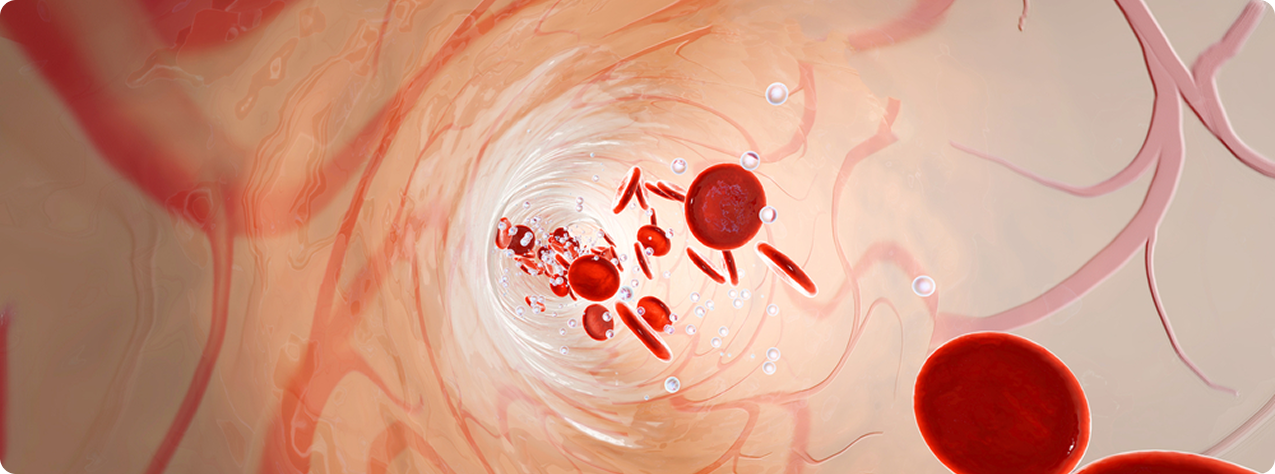
In some patients, the spores cause an allergic reaction In others, the fungus causes mild or severe infectious lung disease The most severe form of aspergillosis is invasive aspergillosis, which involves the spread of infection in blood vessels
Depending on the type of aspergillosis, treatment may be simply observation, antifungal drugs, or, rarely, surgery.
Contact with Aspergillus fungus is inevitable In the environment, it is found in decaying leaves, soil, plants, trees, and grain crops. In house dust mites, spores (the reproductive form of the fungus) can survive in air conditioners, heating pipes, heating systems, certain foods, and spices.
Daily contact with Aspergillus is not a problem in case of normal immune status When you inhale a spore, immune system cells surround it and destroy it People with weakened immune systems (due to other diseases or immunosuppressive therapy) have fewer of these cells. Aspergillus remains in such an organism, invasive in the lung and can be complicated by invasion of other organs.
Aspergillosis is not transmitted from person to person
Symptoms and signs of aspergillosis vary depending on the disease:
Allergic reaction - Some patients with asthma or cystic fibrosis are allergic to Aspergillus. The signs and symptoms of this condition - allergic bronchopulmonary aspergillosis are:
- fever
- bloody or mucus-clogged sputum
- worsening asthma
fungal mass entangled formation of fungal fibers This type of aspergillosis is called simple aspergilloma The appearance of cavities (cavitations) in the lung may be related to a preexisting disease, emphysema, tuberculosis, or complicated sarcoidosis.
Aspergilloma is a harmless condition that may not present with symptoms other than a mild cough. However, the condition may worsen over time and show signs of:
- Bloody sputum, sometimes with large amounts of blood
- Wheezing
- Shortness of breath
- Unexplained weight loss
- Fatigue
Signs and symptoms vary depending on the organs involved, but in general, invasive aspergillosis can cause:
- fever and chills
- coughing up blood (haemoptysis)
- heavy bleeding from the lungs
- respiratory failure
At this time, it causes nasal congestion, bloody discharge, inflammation, fever, facial pain and headache.
When to see your doctor
- If you have asthma or cystic fibrosis, see your doctor as soon as you notice changes in your symptoms Aspergillosis may not be the cause, but any changes should be evaluated
- If you have a compromised immune status and develop fever, shortness of breath, or bloody sputum, be sure to see your doctor In the case of invasive aspergillosis, timely treatment is necessary, and sometimes treatment begins even before the final diagnosis of the infection.