Ehlers-Danlos syndrome
Ehlers-Danlos syndrome is a group of inherited diseases that affect a person's connective tissues - mainly the skin, joints and blood vessel walls. Connective tissue is a complex mixture of proteins and other substances that give strength and elasticity to structures in the body.
People with Ehlers-Danlos syndrome typically have excessively flexible joints and stretchy, fragile skin. This condition creates problems, such as when the wound requires stitches and the skin cannot hold them
A more severe form of the disease, called vascular Ehlers-Danlos syndrome, causes the walls of blood vessels, intestines, or uterus to tear. A person with vascular Ehlers-Danlos should definitely talk to a doctor before committing to starting a family
Different subtypes of Ehlers-Danlos syndrome are associated with different genetic causes, some of which are passed from parent to child.
If you have any of the subtypes of Ehlers-Danlos syndrome, you have a 50% chance of passing it on to your child.
The main symptoms of Ehlers-Danlos syndrome:
- Excessively flexible joints Due to the weakness of the connective tissue that supports the joints, the joints can move much farther than normal. Small joints are more damaged than large joints During the illness, you may touch the tip of your nose with your tongue
- Aging skin Weak connective tissue allows the skin to last longer than normal You can pull the skin out of place to a great height, but it will return to its original place when you let go of your hand The skin may be very soft and velvety
- Fragile skin Damaged skin cannot heal normally For example, stitches used to close a wound can tear and leave an open scar The scar may be thin and wrinkled
- Fat deposits in pressure areas Small, harmless growths may develop around the knees and elbows They can be seen by X-ray
Severity of symptoms varies between people Some patients with Ehlers-Danlos syndrome may have hypermobility of the joints but have no skin manifestations.
Vascular Ehlers-Danlos syndrome People with the vascular form of Ehlers-Danlos syndrome share characteristic facial features, such as a thin nose, thin upper lip, small ears, and bulging eyes. They also have thin, semi-transparent skin that bruises easily Subcutaneous blood vessels are easily visible in thin patients
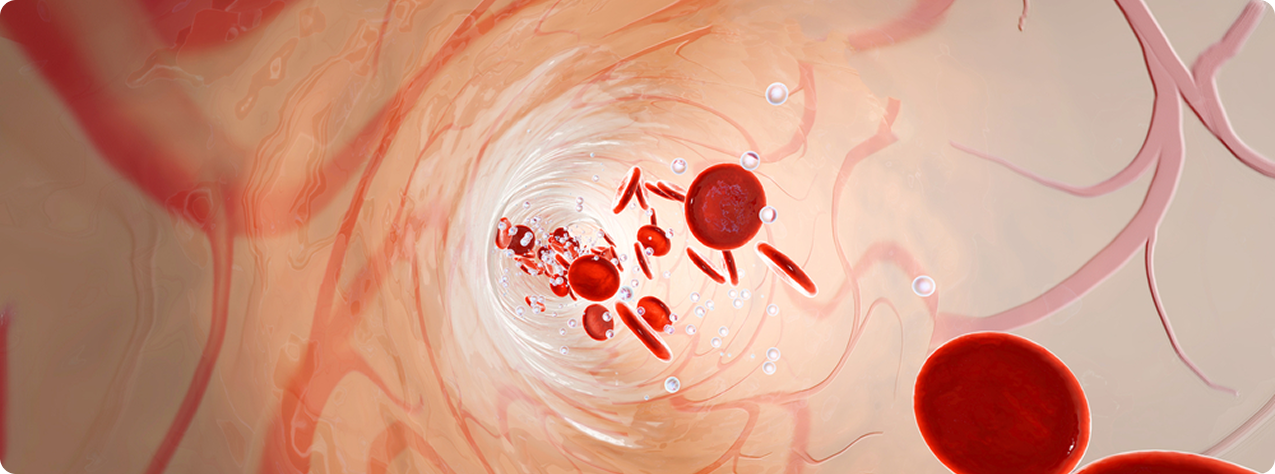
One of the most severe forms of the disease, vascular Ehlers-Danlos syndrome weakens the largest artery of the heart (the aorta), as well as the arteries of the kidney and spleen. Damage to any of these blood vessels can be fatal This form of the disease can cause the walls of the uterus and colon to weaken and tear