stroke
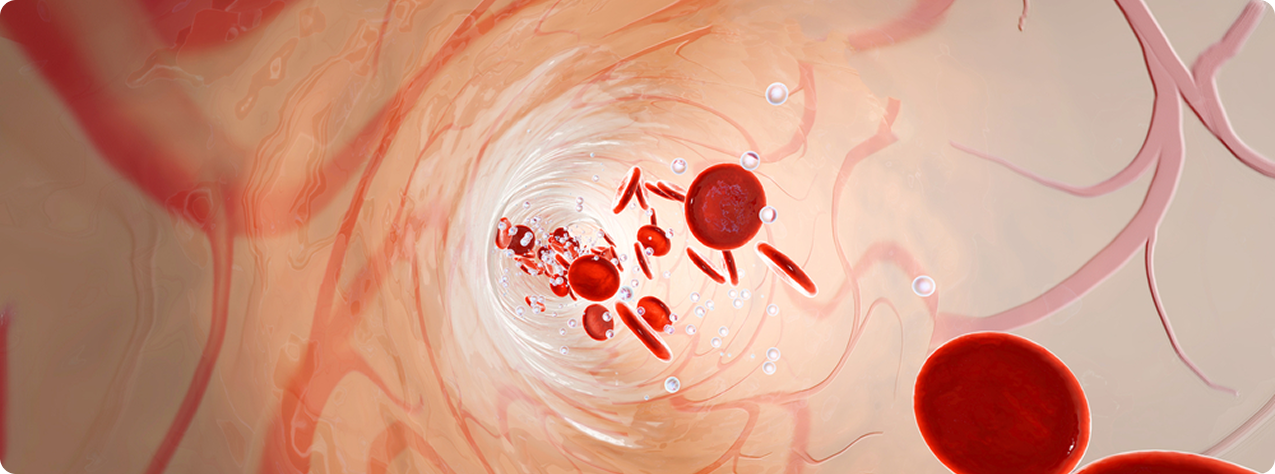
A stroke occurs when blood flow to part of the brain is cut off, leaving brain tissue without oxygen Within minutes, brain cells begin to die
A stroke requires immediate help Timely treatment is essential for survival Early treatment can minimize brain damage and possible complications
The good news is that strokes are now treatable and preventable, which is why far fewer people die from strokes than 15 years ago.
A stroke occurs when blood flow to the brain is interrupted or reduced As a result, the brain is deprived of oxygen and other substances, which leads to the death of brain cells
A stroke can be caused by a narrowing of an artery (ischemic stroke) or a ruptured blood vessel (hemorrhagic stroke). Some people experience a temporary interruption of blood flow to the brain (transient ischemic attack).
Ischemic stroke 85% of strokes are ischemic Ischemic strokes occur when arteries in the brain become narrowed or blocked, causing blood flow to stop. The most frequent ischemic strokes are:
- thrombotic stroke A thrombotic stroke occurs when a blood clot forms in an artery feeding the brain Clots can be caused by fatty plaques that build up in the arteries and cause reduced blood flow or other artery abnormalities.
- embolic stroke An embolic stroke occurs when a clot forms far away from the brain, usually in the heart, and then travels through the bloodstream to become stuck in narrowed arteries in the brain. This type of clot is called an embolus
Hemorrhagic stroke Hemorrhagic stroke occurs when a blood vessel in the brain leaks or bursts. Bleeding in the brain can be caused by many conditions These include high blood pressure, over-treatment with anticoagulants or weak spots in blood vessels (aneurysms).
A rarer cause of bleeding is the rupture of a group of adjacent thin-walled blood vessels (arteriovenous malformation). Types of hemorrhagic stroke are:
- Intracerebral bleeding In an intracerebral hemorrhage, a blood vessel in the brain ruptures, causing blood to pool in the surrounding tissue and damage brain cells. The cells located after the rupture are cut off from blood circulation
High blood pressure, trauma, vascular pathologies, use of blood-thinning medications and other conditions cause intracerebral hemorrhages. - Subarachnoid hemorrhage In a subarachnoid hemorrhage, an artery near the surface of the brain ruptures, causing blood to pool between the brain and the skull. This type of bleeding often causes a sudden, severe headache
Subarachnoid hemorrhage is more often caused by the rupture of arterial bulges, aneurysms After a bleed, the blood vessels in the brain can dilate and constrict chaotically, further damaging the brain cells by cutting off the blood supply further.
Ischemic Stroke
Transient Ischemic Attack A transient ischemic attack, also known as a microstroke, is a brief period during which stroke-like symptoms occur. A transient ischemic stroke is caused by a reduction in blood flow to a part of the brain for less than 5 minutes
Like an ischemic stroke, a transient ischemic attack occurs when a blood clot or other substrate blocks a blood vessel in the brain. A transient ischemic attack does not cause long-term symptoms because the blockade is temporary
Seek immediate medical attention even if symptoms disappear A transient ischemic attack increases the risk of true stroke If you've had a transient ischemic attack, there's a good chance you have a narrowed artery in your brain or a source of blood clots in your heart.
It is impossible to distinguish between a transient ischemic attack and a stroke by symptoms In more than half of cases, people whose symptoms go away will have a stroke and brain tissue damage
If you suspect someone is having a stroke, look for the following signs and symptoms Remember when the signs and symptoms appeared, because their duration depends on the treatment tactics
- Difficulty speaking and understanding speech You may be confused You may have difficulty speaking or understanding what others are saying
- Paralysis or loss of sensation in the face and limbs You may experience sudden paralysis, weakness, or loss of sensation, especially on one side of your body Try raising both arms above your head If one of the sides falls off, you may have a stroke Similarly, one side of the mouth may droop when smiling
- impairment of vision in one or both eyes You may suddenly experience blurred vision or loss of vision in one or both eyes
- Headache A sudden headache accompanied by vomiting, dizziness, or altered consciousness may be a sign of a stroke. Difficulty walking You may stumble or suddenly feel dizzy, lose balance or coordination.
When to see a doctor Get medical help right away if you have any signs or symptoms of a stroke, even if they fluctuate or go away
Act quickly and take the following measures:
- face Ask the person to smile Is one side of the face drooping?
- Hands Ask the person to raise both hands Is one of the sides falling off? Ask the person to repeat a simple phrase Is his speech slurred or strange?
- Time If you notice any of these signs, call 911
- Call an ambulance immediately Do not wait for symptoms to go away Every minute counts The longer a stroke lasts, the greater the risk of brain damage
If you suspect someone is having a stroke, keep a close eye on the person until an ambulance arrives